
Does Age 35+ Mean IVF is Your Only Option? Fertility Preservation Exploded
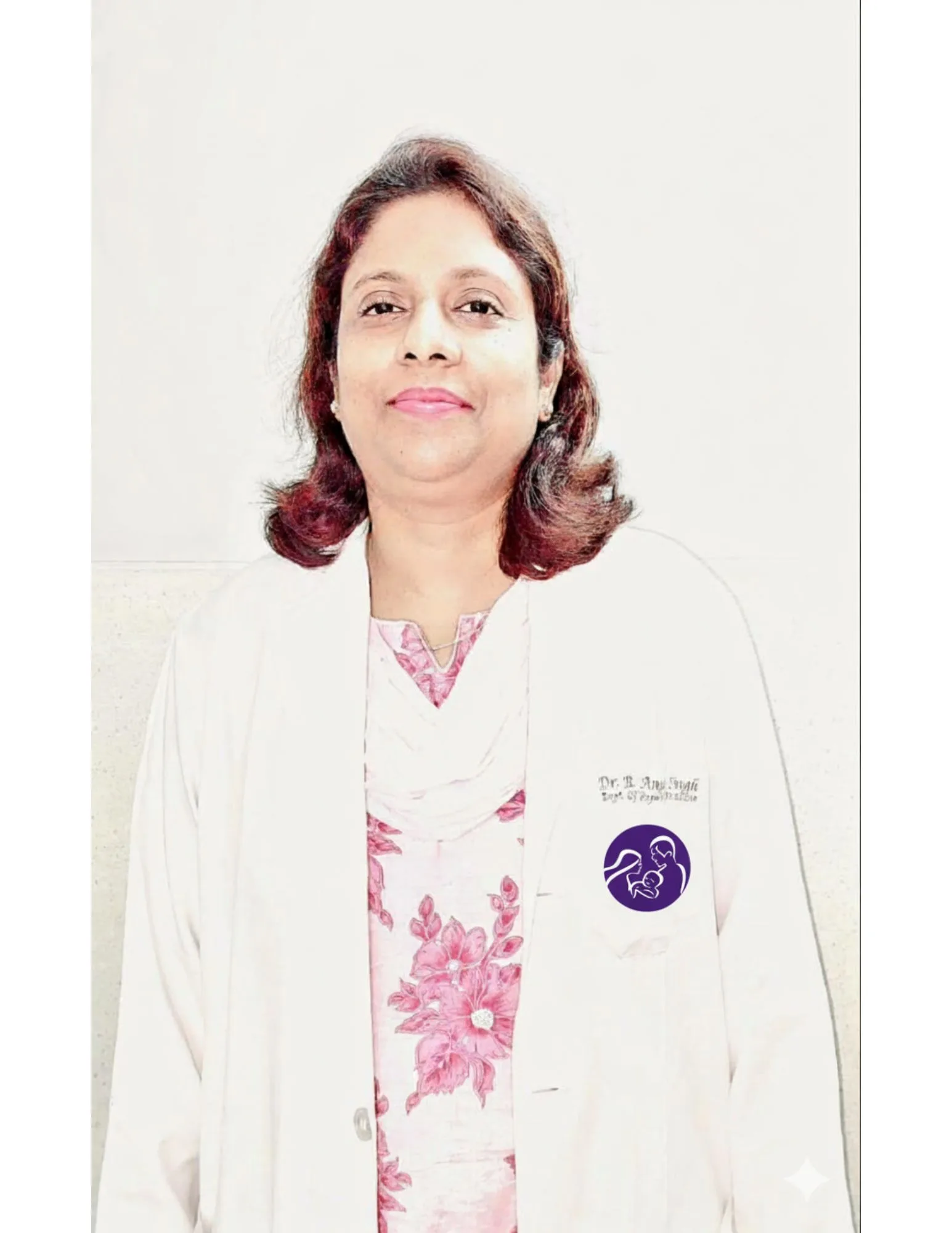
Medically Reviewed by Dr. B. Angelynn Singh
Director, FaithStep Fertility Clinic | MBBS, DNB, Obstetrics & Gynaecology, Advanced Diploma in ART & Reproductive Medicine( Kiel, Germany) Visiting Consultant: BLK-Max Super Speciality & Max Healthcare | Published: October 2026No, reaching age 35 does not mean IVF is your only choice, as many women conceive naturally in their late 30s. However, female reproductive biology experiences an accelerated drop in follicular quantity and chromosomal stability post-35. Medical guidelines recommend consulting a fertility specialist if conception has not occurred after 6 months of unprotected intercourse.
1. Clinical Context & Patient Understanding
Embarking on a fertility journey is both an emotional and medical endeavor. With Dr. B. Angelynn Singh's 23+ years of reproductive clinical experience leading FaithStep Fertility Clinic in Karol Bagh, New Delhi, we witness how often couples struggle with fragmented advice, opaque corporate pricing, and overwhelming clinical jargon.
Whether you reside in Karol Bagh, Patel Nagar, Connaught Place, South Extension, or commute from Noida or Gurgaon, understanding the physiological reality of your treatment is your greatest asset.
2. In-Depth Medical Evaluation & Evidence-Based Insights
Modern reproductive medicine relies on microscopic precision. At FaithStep, protocols developed through advanced Indian and European training at Delhi India & Kiel Germany are applied to every cycle:
- Individualized Ovarian Protocols: Avoiding generic 'cookie-cutter' stimulation; hormone dosing is calibrated to antral follicle counts, baseline AMH, and previous response markers.
- Advanced Cleanroom Embryology: Maintaining Class 10,000 air quality, low-oxygen tri-gas benchtop incubators, and strict temperature stability to ensure embryos reach the Day 5/6 blastocyst stage without cellular stress.
- Personalized Procedural Hands-on Care: Dr. B. Angelynn Singh personally evaluates every scan, follicular dynamic, and delicate embryo placement—eliminating the common pitfall of corporate hospital chains where junior residents rotate through delicate procedures.
Have Questions About Your Specific Medical Case?
Discuss your hormonal reports, semen analysis, or previous cycle history in complete privacy directly with Dr. B. Angelynn Singh.
3. Comparing Treatment Pathways: Making Informed Choices
Couples often wonder whether to proceed with conservative management, timed intrauterine insemination (IUI), or advanced in-vitro fertilization (IVF) paired with ICSI. The decision requires clear diagnostic benchmarks:
- Diagnostic Patency: Evaluating fallopian tube health and uterine cavity contouring via 3D ultrasound or diagnostic hysteroscopy.
- Sperm Functional Competence: Beyond macroscopic count and motility, testing sperm DNA integrity (DFI) ensures optimal fertilization.
- Endometrial Synchronization: Ensuring optimal triple-line endometrial thickness (>7.5–8mm) with healthy uterine vascular perfusion before embryo transfer.
4. Localized Realities: Navigating Fertility Care in Delhi NCR
Couples living across Delhi NCR face specific urban considerations:
Work-Life Balance: Balancing intense corporate schedules in Gurgaon or Connaught Place with time-sensitive monitoring. FaithStep accommodates patients with early-morning appointment slots and rapid 20-minute ultrasound visits.
Financial Transparency: Avoiding deceptive hospital packages where 'base rates' hide essential stimulation drugs, freezing, and OT charges. FaithStep guarantees 100% itemized, honest financial disclosures upfront.
Convenient Central Commute: Our clinic is centrally located on New Rohtak Road, directly opposite Liberty Cinema, merely 400 meters from Karol Bagh Metro Station (Blue Line) with convenient doorstep access from across West, South, East Delhi, and NCR.
5. Frequently Asked Questions
What happens to egg quality as a woman enters her late 30s?
Maternal age affects the meiotic spindle during egg division, increasing the rate of aneuploid (chromosomally abnormal) eggs from ~25% in early 20s to over 50%–60% past age 37.
What fertility screening tests should a 35-year-old woman take first?
A simple baseline evaluation comprising Serum AMH, an Antral Follicle Count (AFC) pelvic ultrasound on Day 2/3 of menses, and thyroid profiling provides complete diagnostic clarity.
Is natural conception still realistic at age 38 or 39?
Yes, provided ovulatory cycles are regular, fallopian tubes are open, and sperm parameters are strong. Timed intercourse or IUI can be attempted under careful medical supervision before considering IVF.
Ready to Take Your FaithStep Journey Towards Parenthood?
Visit Dr. B. Angelynn Singh at FaithStep Fertility Clinic in Karol Bagh, New Delhi. Experience senior clinical precision, ethical care, and transparent pricing.